
Thinking about becoming a teaching assistant but unsure whether you have the right qualifications? You may be closer to applying than you think.
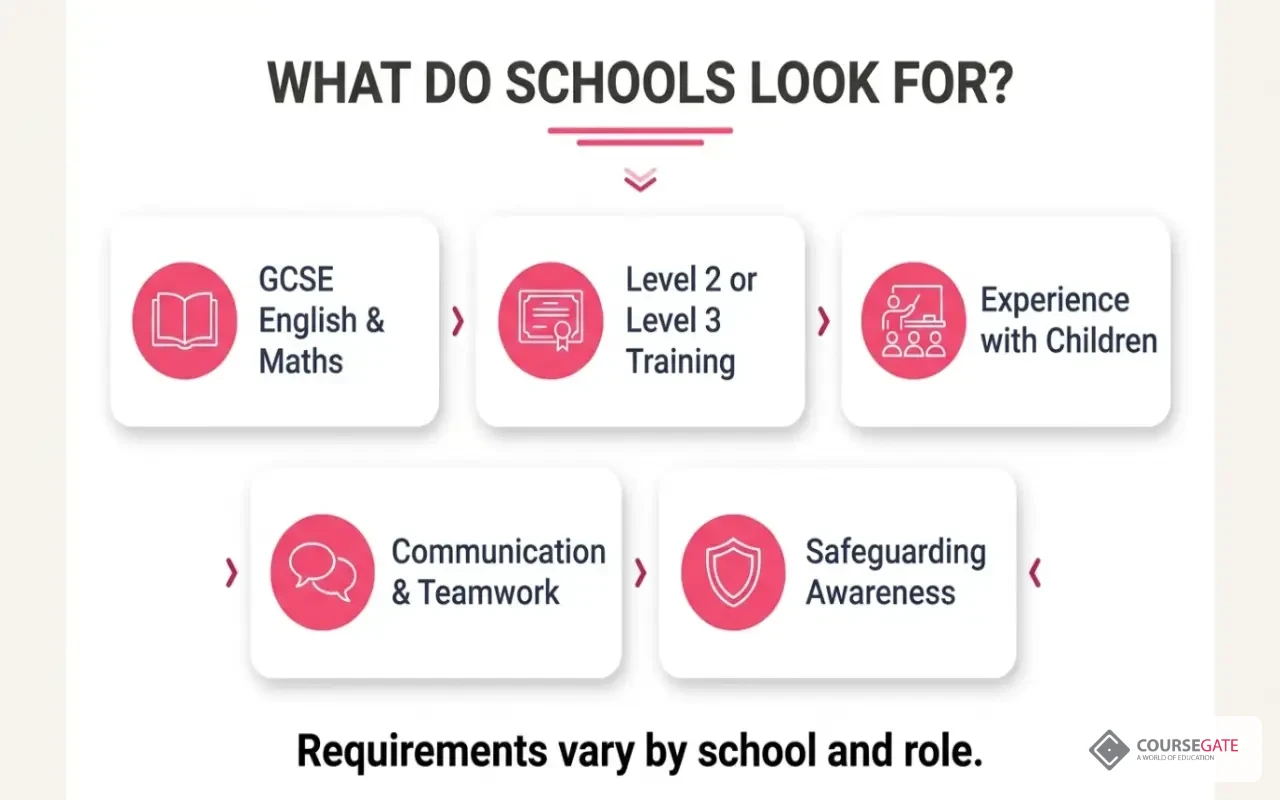
There is no single qualification required for every teaching assistant job in the UK. Schools set their own recruitment criteria, and some accept applicants without a dedicated teaching assistant qualification. However, many employers look for GCSE English and maths, relevant experience or a Level 2 or Level 3 qualification.
The right route depends on your existing skills, the type of school and the position you want. This guide explains the usual entry requirements, available training options and how to prepare for your first teaching assistant application.
Interested in developing your teaching assistant skills? Coursegate’s Level 3 Teaching Assistant & SEN Certificate offers an opportunity to build knowledge of classroom support and special educational needs. It may be a useful starting point if you’re considering teaching assistant work or want to strengthen your understanding of the role.
Ready to Build Your Maths and English Skills?
Strengthen your understanding of essential Maths and English topics with a flexible online course. Study fractions, percentages, ratios, grammar and punctuation at your own pace while preparing for your next learning goal.
Do You Need Qualifications to Be a Teaching Assistant?
You do not necessarily need a formal teaching assistant qualification to work in a school. However, individual employers decide which qualifications and experience they expect.
According to the National Careers Service teaching assistant profile, people can enter the profession through college courses, apprenticeships, volunteering or direct applications.
Schools may consider:
- GCSE English and maths or equivalent qualifications.
- A relevant Level 2 or Level 3 teaching assistant qualification.
- Previous experience supporting children or young people.
- Communication, organisation and teamwork skills.
- An understanding of safeguarding and classroom responsibilities.
These are common considerations, not a universal checklist.
Can You Work as a Teaching Assistant Without a Level 3 Qualification?
Yes. Some schools recruit applicants without Level 3 qualifications, particularly for entry-level positions. Others may prefer or require a specific qualification.
You also do not need qualified teacher status (QTS) for an ordinary teaching assistant role. Teaching assistants support teachers and pupils but do not hold the same professional responsibilities as qualified teachers.
If you are considering further training, understanding Level 3 teaching assistant certificates can help you identify which credentials may suit your goals.
What GCSEs Do You Need to Be a Teaching Assistant?
Many UK schools look for GCSE English and maths at grades 9–4 (A*–C), or qualifications they accept as equivalent.
English and maths skills are important because teaching assistants may help pupils with reading, writing, numeracy and classroom activities.
However, GCSE requirements are not identical across all vacancies. Some employers specify both subjects as essential, while others may consider relevant experience or alternative qualifications.
Can You Become a Teaching Assistant Without GCSEs?
Yes, it may be possible, depending on the employer.
If you do not have the requested GCSEs, check whether the school accepts equivalent qualifications, such as Functional Skills Level 2. Acceptance is not automatic, so always read the job advert carefully.
You could also consider improving your English or maths qualifications while gaining relevant experience.
For apprenticeships, English and maths requirements may differ from those for direct employment. Check the specific apprenticeship standard and employer’s conditions before applying.
Which Teaching Assistant Qualifications Can You Take?
Several training routes can help you develop the knowledge needed for classroom support. The most suitable option depends on your experience, career plans and the qualifications requested by employers.
Level 2 Teaching Assistant Qualifications
Level 2 courses can introduce learners to supporting teaching and learning, communication, child development and classroom responsibilities.
They may appeal to beginners who want to develop foundational knowledge before applying for school support roles.
However, not every course advertised as Level 2 awards a regulated qualification. Check its assessment requirements and certification details before enrolling.
Level 3 Teaching Assistant Qualifications
Level 3 training can provide more developed knowledge of supporting pupils, classroom practice, safeguarding and additional learning needs.
Some employers prefer Level 3 qualifications for particular positions, although this is not a universal requirement.
If you are unsure which level is appropriate, consider Level 2 and Level 3 teaching assistant training.
For learners interested in teaching assistant and special educational needs (SEN) topics, Coursegate offers a Level 3 Teaching Assistant & SEN Certificate. Before enrolling, review its learning outcomes, assessment arrangements and certificate details to decide whether it meets your needs.
Remember: A course completion certificate is not automatically equivalent to a regulated Level 3 qualification or proof of eligibility for a particular school position.
You can check whether a qualification is regulated using the official GOV.UK service.
Teaching Assistant Apprenticeships
An apprenticeship combines paid employment with structured training and assessment.
In England, the Level 3 Teaching Assistant apprenticeship standard describes the knowledge, skills and behaviours apprentices are expected to develop.
Employers set their recruitment requirements, and apprentices must meet the applicable programme requirements.
Here is a quick overview of the main options:
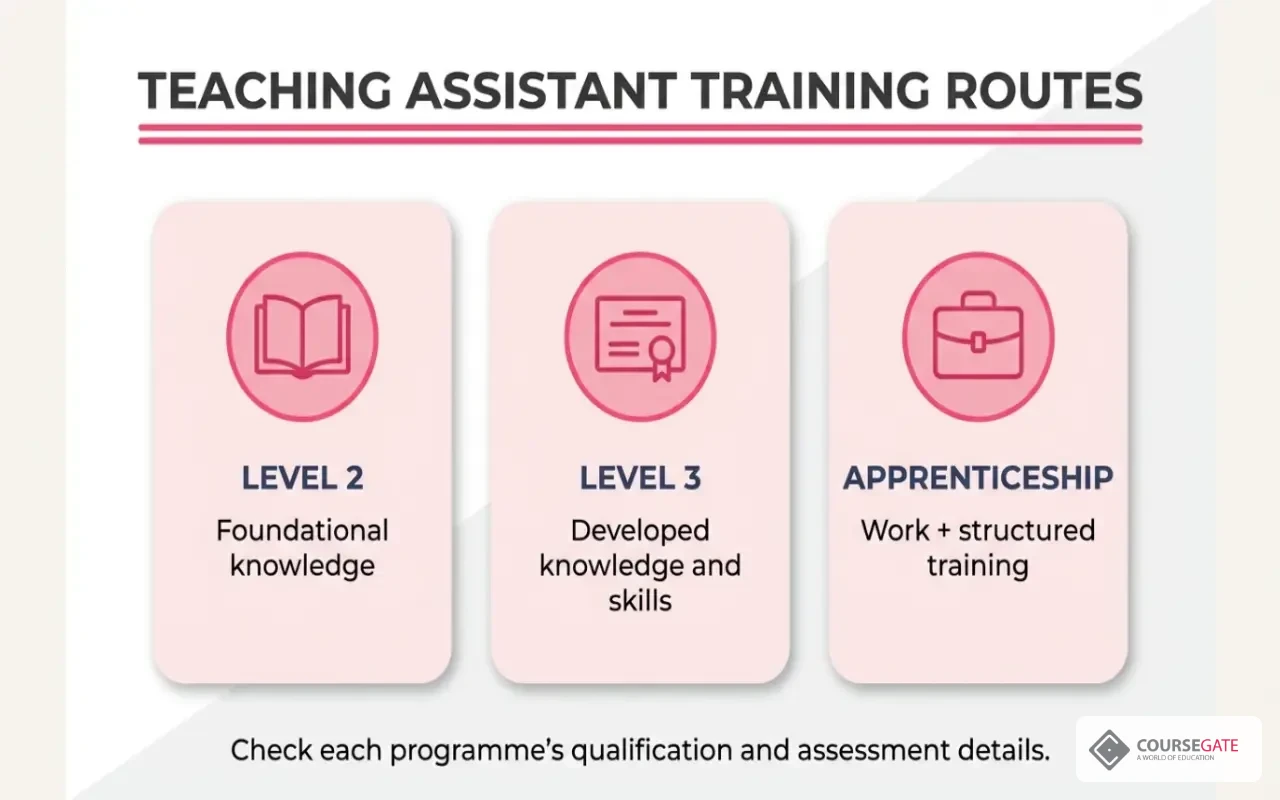
| Training route | General purpose |
|---|---|
| Level 2 qualification | Develop foundational knowledge of supporting teaching and learning |
| Level 3 qualification | Develop more advanced knowledge and skills relevant to classroom support |
| Teaching assistant apprenticeship | Combine employment, structured training and workplace assessment |
The exact outcomes depend on the specific programme, not simply its advertised level.
Can You Become a Teaching Assistant Without Qualifications or Experience?
Yes, some applicants enter teaching assistant work without a dedicated qualification or previous classroom employment.
Schools may consider transferable experience, personal qualities and willingness to develop relevant skills.
How to Gain Relevant Experience
You may already have useful experience from activities outside a school.
For example, childcare, youth groups, tutoring, sports coaching and community volunteering can develop communication, patience and organisational skills.
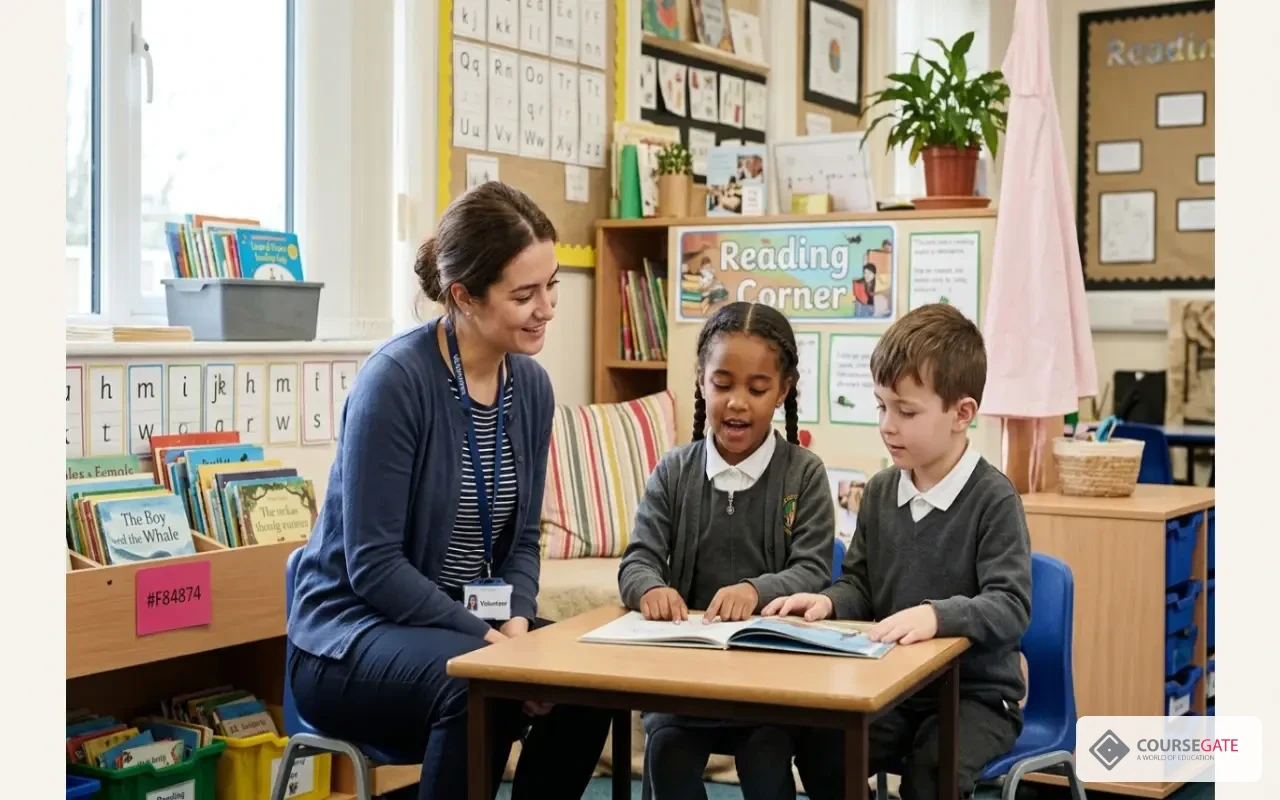
Volunteering in a school, where opportunities are available, can also help you understand classroom routines and the needs of different pupils.
Consider someone who has spent several years caring for children but has never worked in education. That experience does not automatically meet a school’s recruitment requirements, but it may provide useful examples of responsibility, communication and supporting children’s development.
A Practical Route into Teaching Assistant Work
If you are starting without formal teaching assistant qualifications:
- Research local vacancies. Look at the qualifications and experience schools request.
- Identify essential requirements. Separate compulsory application criteria from desirable skills.
- Review your experience. Consider childcare, volunteering and other transferable skills.
- Develop relevant knowledge. Explore suitable training or practical experience.
- Apply for appropriate positions. Tailor your application to the school’s stated requirements.
You do not need to complete every possible course before applying. Focus on what employers actually request.
What Else Do Schools Look for in Teaching Assistants?
Qualifications matter, but schools also need people who can communicate effectively, support pupils and work responsibly with teaching staff.
Skills and Classroom Experience
Useful teaching assistant skills include:
- Communication: Explaining activities clearly and listening to pupils.
- Patience: Supporting children who need additional time or guidance.
- Teamwork: Following teachers’ instructions and sharing relevant observations.
- Adaptability: Responding appropriately to different learning needs.
- Literacy and numeracy: Helping pupils engage with classroom activities.
An understanding of special educational needs and disabilities (SEND) may also be valuable, particularly when applying for specialist support roles.
Safeguarding and Background Checks
Teaching assistants work closely with children, so safeguarding is an important part of school employment.
In England, the Department for Education’s statutory safeguarding guidance for schools sets out relevant safeguarding and safer recruitment responsibilities.
School recruitment commonly involves appropriate background checks, including enhanced Disclosure and Barring Service (DBS) checks for eligible roles in England and Wales.
Scotland and Northern Ireland have different disclosure arrangements.
A DBS check is not an academic qualification. It is part of the relevant safeguarding and recruitment process. Safeguarding training is also distinct from a formal teaching assistant qualification.
How to Check Whether You Meet a Teaching Assistant Job’s Requirements
Before choosing a course or submitting an application, examine a real teaching assistant vacancy.
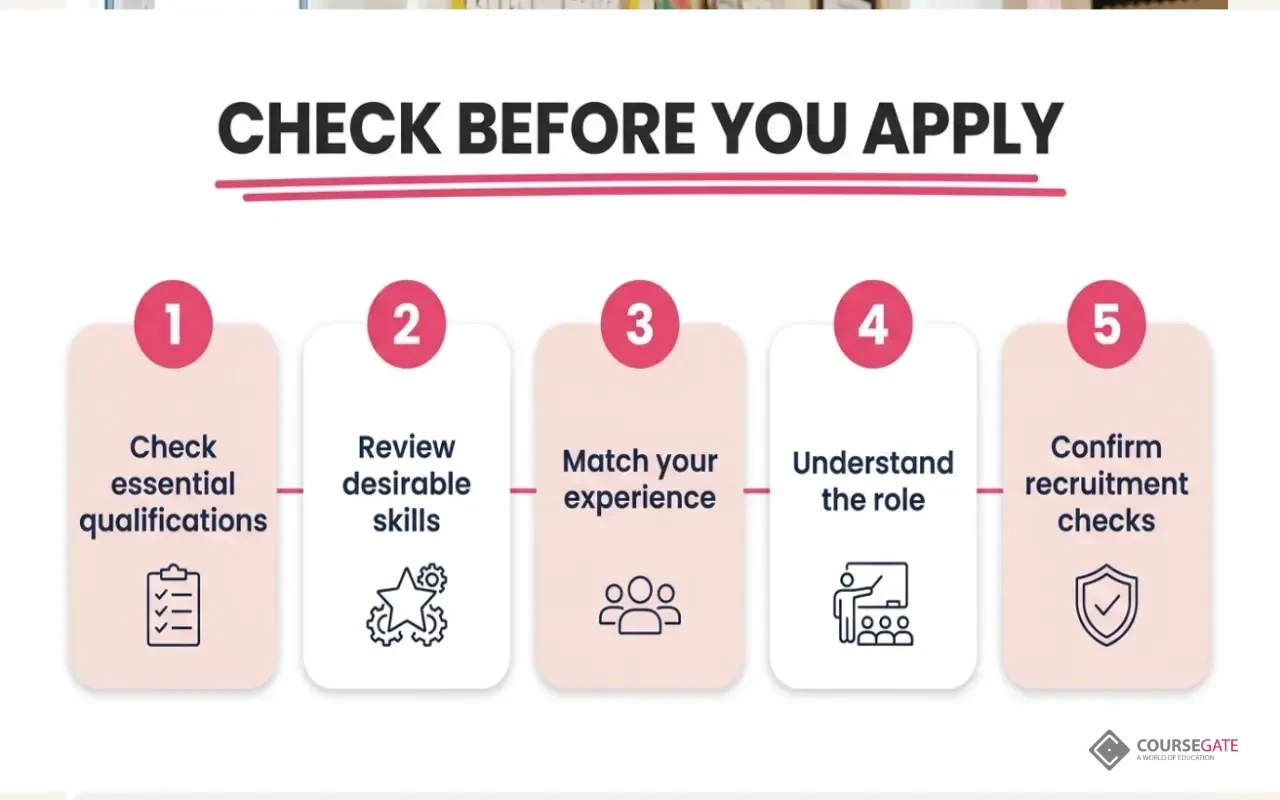
Use this checklist:
- Essential qualifications: Does the school require particular GCSEs or a specific teaching assistant qualification?
- Desirable qualifications: Would additional training strengthen your application without being compulsory?
- Experience: Does the employer accept volunteering, childcare or other relevant experience?
- Role responsibilities: Will you support a whole class, small groups or pupils with additional needs?
- Recruitment checks: What safeguarding and background-check requirements apply?
If you are unsure whether a particular certificate meets the school’s expectations, contact the employer before enrolling or applying.
It is also worth checking working hours and pay alongside the qualification requirements. Our guide to Level 3 teaching assistant salary explores this topic in more detail.
Final Thoughts
Becoming a teaching assistant does not follow one fixed qualification pathway. Some schools accept applicants without a dedicated TA certificate, while others expect GCSEs, relevant experience or specific Level 2 or Level 3 qualifications.
The best starting point is to review actual vacancies, identify any gaps in your knowledge and choose training that matches your goals.
Frequently Asked Questions
Do You Need a Degree to Become a Teaching Assistant?
No. A university degree is not generally required for ordinary teaching assistant positions. Schools usually focus on the qualifications, skills and experience relevant to the vacancy. Some specialist roles may have additional requirements.
Can You Complete Teaching Assistant Training Online?
Yes, some teaching assistant courses offer online learning. However, certain qualifications may require workplace observation, practical assessment or a placement.
Before enrolling, check the assessment method and certificate awarded. Our guide to online teaching assistant courses explains what to consider.
How Long Does It Take to Train as a Teaching Assistant?
Training duration varies according to the programme, study pattern and assessment requirements. Short knowledge-based courses may take considerably less time than regulated qualifications involving practical assessment or apprenticeships.
Always check the provider’s stated duration.
Do You Need Additional Qualifications to Support Pupils with SEN?
Not necessarily. Requirements depend on the school and position.
Some SEN teaching assistant roles may favour applicants with relevant training or experience supporting pupils with additional needs. Specialist knowledge can be useful, but applicants should check each vacancy’s essential criteria.


- All Courses
- Accounting & Finance64
- Admin, Secretarial & PA45
- Audio Books (Audio Course)100
- Business Skills159
- Design76
- Digital Marketing49
- DIY (Do It Yourself)60
- Employability245
- Food Hygiene & Safety18
- Health & Fitness68
- Health & Safety114
- Health & Social Care191
- Human Resource51
- It & Software Skills117
- Language27
- LIFESTYLE88
- MAKEUP & BEAUTY49
- Management132
- Marketing63
- Massage & Physiotherapy18
- Microsoft Office64
- Nonprofit & Charity36
- On Demand Courses54
- Personal Development142
- Photography34
- Psychology & Counselling99
- SEN (Special Educational Needs)24
- Teaching and Education100